
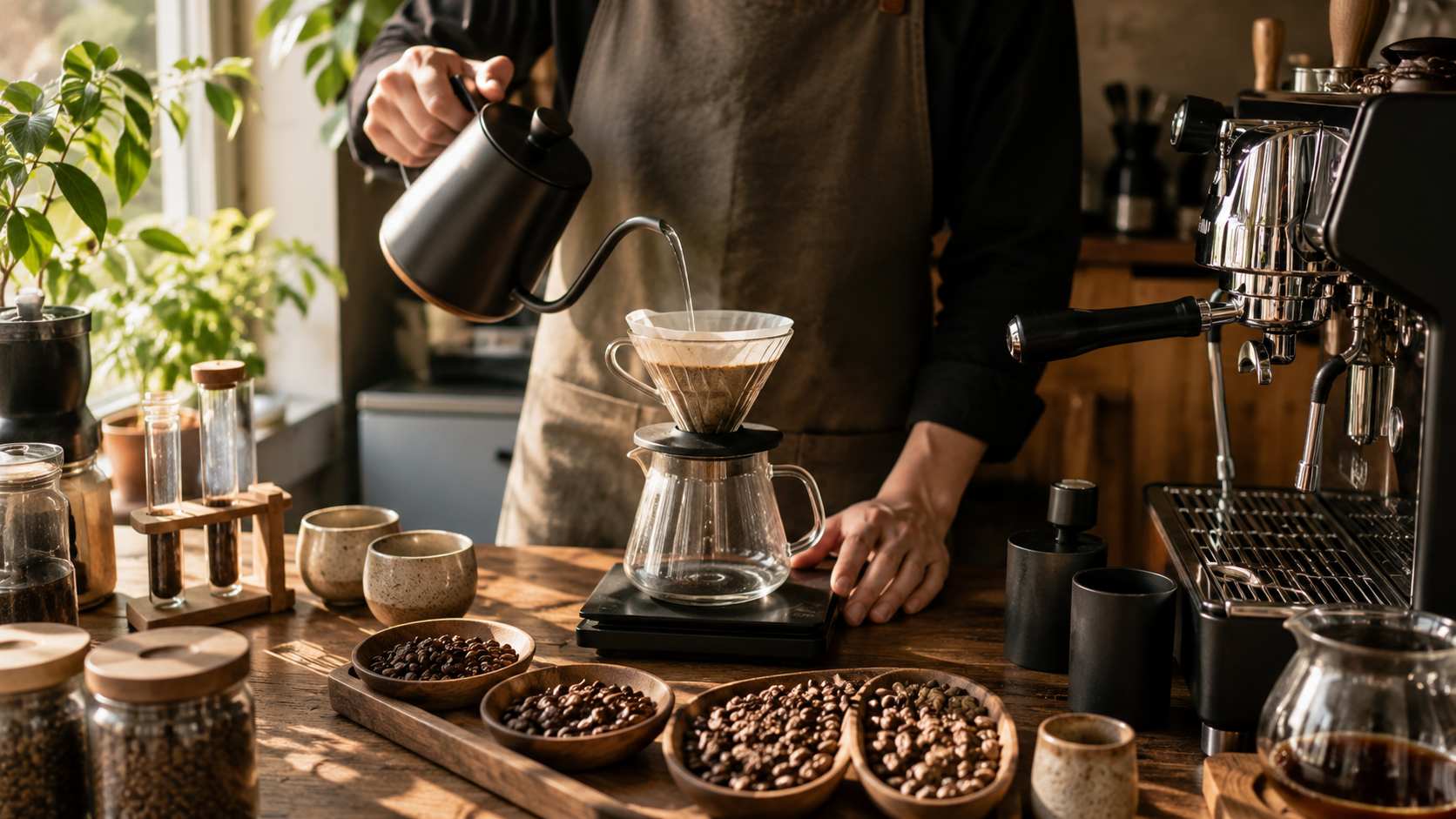
Coffee has evolved dramatically over the past century. What was once viewed as a simple daily beverage has become a carefully crafted experience centered on quality, sustainability, and craftsmanship. This transformation is known as third wave coffee, a movement that has reshaped how people grow, roast, brew, and enjoy coffee around the world.
If you’ve ever wondered why specialty cafés pay close attention to coffee origins, roast profiles, and brewing methods, the answer lies in the third wave coffee movement.
In this guide, you’ll learn what third wave coffee is, how it differs from the first and second waves of coffee, and why it has become an important part of modern coffee culture.
What Is Third Wave Coffee?
Third wave coffee is a movement that treats coffee as an artisanal product rather than a mass-produced commodity.
Instead of focusing only on convenience or brand recognition, third wave coffee emphasizes:
- High-quality specialty coffee beans
- Ethical sourcing from coffee farmers
- Transparent origin information
- Careful roasting techniques
- Precise brewing methods
- A deeper appreciation for coffee craftsmanship
The goal is to highlight the unique characteristics of each coffee bean, allowing drinkers to experience the natural flavors created by different growing regions, processing methods, and roast profiles.
Unlike traditional commercial coffee, third wave coffee encourages consumers to think about coffee in the same way many people think about fine wine.
The Three Waves of Coffee Explained
To understand third wave coffee, it’s helpful to look at how coffee culture has evolved over time.
Each “wave” represents a major shift in how people produce, sell, and enjoy coffee.
First Wave Coffee
The First Wave began in the early 20th century, when coffee became widely available in supermarkets and households.
The primary goal was convenience.
Characteristics of first wave coffee include:
- Pre-ground coffee
- Instant coffee
- Large-scale commercial production
- Affordable prices
- Little information about bean origin
During this period, coffee was viewed mainly as a daily necessity rather than a product to be appreciated for its flavor.
Many well-known grocery store coffee brands grew during this era.
Second Wave Coffee
The Second Wave introduced people to café culture.
Beginning in the late 20th century, coffee shops became popular gathering places where customers could enjoy espresso-based drinks instead of basic brewed coffee.
This wave introduced many people to:
- Espresso
- Cappuccino
- Latte
- Flavored coffee drinks
- Coffee shop experiences
Consumers also became more familiar with darker roasts, espresso beverages, and handcrafted drinks.
Although quality improved significantly compared to the first wave, coffee origin and farming practices were still not the primary focus.
Third Wave Coffee: A New Way of Appreciating Coffee
The third wave coffee movement takes coffee appreciation to an entirely different level.
Instead of asking,
“Which coffee shop should I visit?”
Coffee enthusiasts began asking:
- Where were these beans grown?
- Which farm produced them?
- What processing method was used?
- How fresh is the roast?
- Which brewing method brings out the best flavor?
Every step—from farming and harvesting to roasting and brewing—is carefully managed to preserve the bean’s natural characteristics.
As a result, third wave coffee often highlights tasting notes such as chocolate, berries, citrus, caramel, or floral aromas that are unique to specific coffee-growing regions.
Why Third Wave Coffee Matters
The third wave movement has transformed coffee from an everyday beverage into a craft.
Today’s coffee lovers increasingly value:
- Transparency
- Sustainability
- Ethical sourcing
- Skilled roasting
- Precise brewing
- Freshly roasted beans
These principles have helped create a global community of coffee professionals and enthusiasts who continue to raise quality standards across the industry.
For many people, enjoying third wave coffee is no longer just about drinking caffeine—it’s about experiencing the story, craftsmanship, and passion behind every cup.
Why Third Wave Coffee Changed the Industry
The rise of third wave coffee transformed the coffee industry by shifting the focus from quantity to quality.
Instead of treating coffee as a mass-produced product, cafés and roasters began emphasizing craftsmanship, transparency, and sustainability.
This movement encouraged consumers to ask questions about where their coffee came from, how it was processed, and who grew it.
Today, many specialty cafés proudly display information about the farm, altitude, processing method, and roast date of every coffee they serve.
What Makes Third Wave Coffee Different?
One of the defining characteristics of third wave coffee is its commitment to quality at every stage of production.
Unlike commercial coffee, specialty coffee focuses on preserving the bean’s natural flavors rather than masking them with dark roasting or added flavorings.
Third wave coffee typically emphasizes:
- Single-origin coffee beans
- Fresh roasting in small batches
- Ethical sourcing
- Skilled baristas
- Precise brewing techniques
- Consistent quality control
Each cup is prepared with the goal of expressing the unique characteristics of the coffee rather than producing the same flavor every time.
Why Coffee Origin Matters in Third Wave Coffee
Coffee beans grown in different regions develop unique flavors because of differences in climate, altitude, soil, and processing methods.
For example:
- Ethiopian coffees often feature floral and citrus notes.
- Colombian coffees are known for balanced sweetness and caramel flavors.
- Brazilian coffees commonly offer chocolate and nutty characteristics.
Instead of blending beans from many locations, third wave coffee often celebrates these regional differences through single-origin coffees.
Knowing where your coffee comes from allows you to better understand and appreciate its flavor profile.
Why Brewing Methods Became Important
In third wave coffee, brewing is considered just as important as roasting.
Even high-quality beans can produce disappointing results if brewed incorrectly.
Popular brewing methods include:
- Espresso
- Pour Over (V60)
- Chemex
- AeroPress
- French Press
Each brewing method highlights different aspects of the coffee, such as sweetness, acidity, body, or aroma.
Coffee professionals carefully adjust variables like grind size, water temperature, brew time, and coffee-to-water ratio to achieve the best possible cup.
How Third Wave Coffee Influences Home Baristas
The third wave movement has inspired many coffee lovers to recreate café-quality coffee at home.
Today, home baristas invest in:
- Burr grinders for consistent grind size
- Freshly roasted specialty coffee beans
- Espresso machines
- Precision coffee scales
- Gooseneck kettles
- Milk pitchers for latte art
This growing interest has made home coffee brewing more accessible than ever.
Learning proper brewing techniques allows coffee enthusiasts to enjoy exceptional coffee without visiting a café.
If you’re building your own coffee setup, our guide to Blade Grinder vs Burr Grinder: Which One Should You Choose? explains why a quality grinder is one of the most important investments.
Is Third Wave Coffee Worth It?
For many coffee lovers, the answer is yes.
Although specialty coffee often costs more than commercial coffee, many people believe the improved flavor, freshness, ethical sourcing, and craftsmanship justify the higher price.
Third wave coffee also supports:
- Sustainable farming
- Fair relationships with coffee producers
- Better roasting practices
- Greater appreciation for coffee quality
Whether you’re just beginning your coffee journey or already enjoy brewing at home, exploring third wave coffee is an excellent way to deepen your understanding of one of the world’s most popular beverages.
Third Wave Coffee Frequently Asked Questions
What is third wave coffee?
Third wave coffee is a movement that treats coffee as an artisanal product rather than a commodity. It emphasizes specialty-grade beans, ethical sourcing, skilled roasting, and precise brewing methods to showcase each coffee’s unique flavor.
How is third wave coffee different from regular coffee?
Unlike commercial coffee, third wave coffee focuses on bean quality, origin, freshness, and brewing precision.
Instead of producing the same flavor every time, it celebrates the natural characteristics of different coffee-growing regions.
Why is single-origin coffee popular in third wave coffee?
Single-origin coffee allows drinkers to experience the unique flavors created by a specific farm, region, or country.
Because the beans are not blended with coffees from multiple origins, their natural tasting notes become easier to appreciate.
Is third wave coffee more expensive?
Yes, in many cases.
Specialty coffee often costs more because it involves higher-quality beans, careful harvesting, ethical sourcing, small-batch roasting, and skilled preparation.
Many coffee enthusiasts believe the improved flavor and transparency make it worth the extra cost.
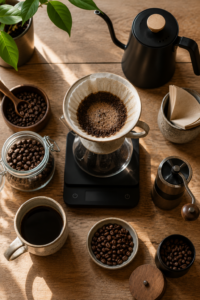
Final Thoughts on Third Wave Coffee
The third wave coffee movement has transformed the way people experience coffee.
Rather than viewing coffee as simply a source of caffeine, today’s coffee lovers appreciate the journey behind every cup—from the farm where the beans were grown to the roasting process and the final brewing method.
Whether you’re exploring espresso, pour-over, or specialty beans, understanding third wave coffee helps you make more informed choices and enjoy coffee on a deeper level.
As you continue your coffee journey, you’ll likely discover that every origin, roast, and brewing technique offers a unique story worth experiencing.
For more information about specialty coffee standards and coffee education, visit the Specialty Coffee Association (SCA).
Related Guides
Continue exploring the world of specialty coffee with these guides: