Single Shot vs Double Espresso: 7 Differences Every Coffee Lover Should Know

If you’ve ever ordered an espresso at a café, you’ve probably been asked whether you want a single shot or a double espresso. While the difference may seem obvious, many coffee lovers aren’t sure how these two espresso shots compare in terms of flavor, caffeine, strength, and brewing. Understanding single shot vs double espresso can … Read more
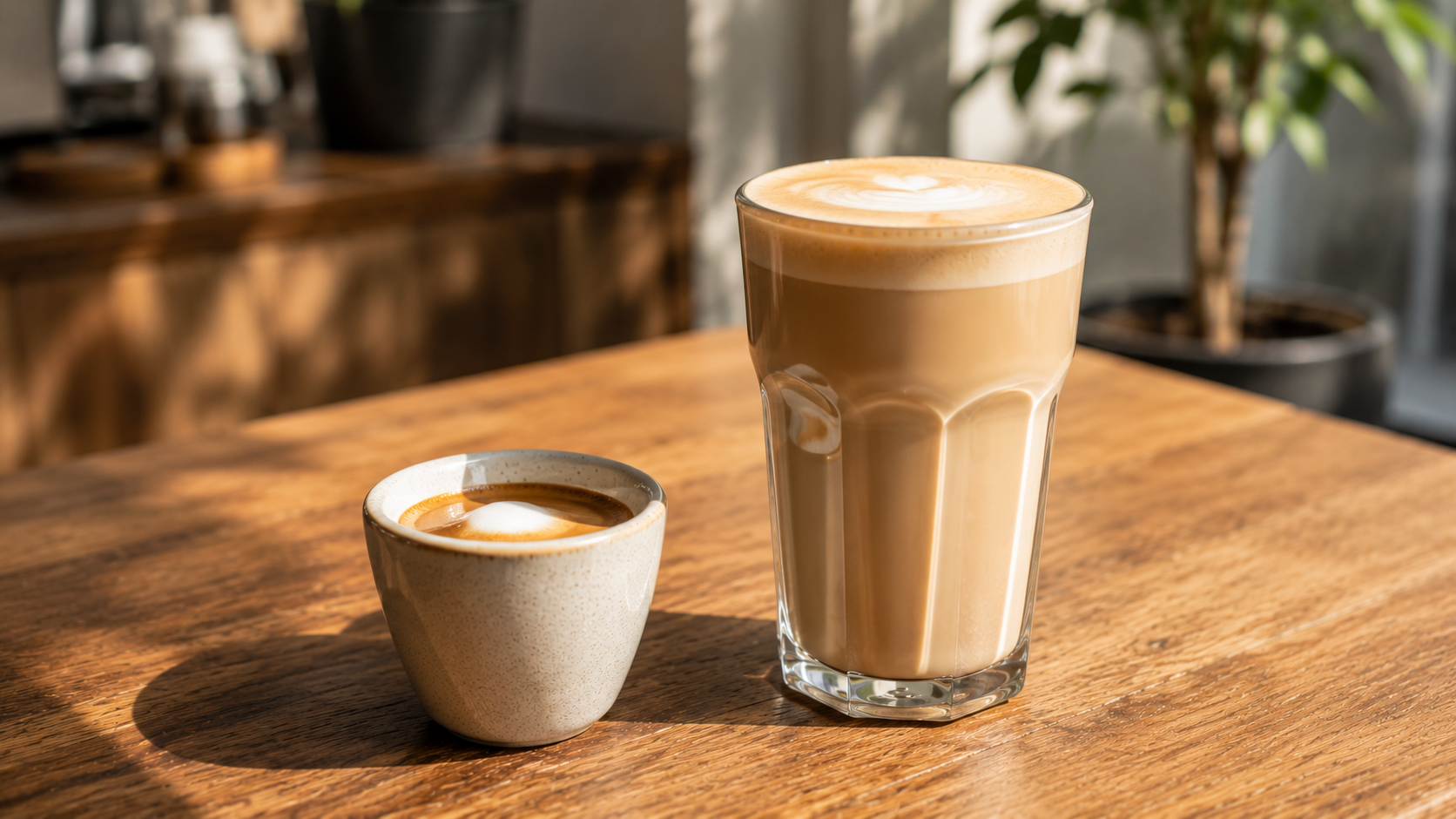

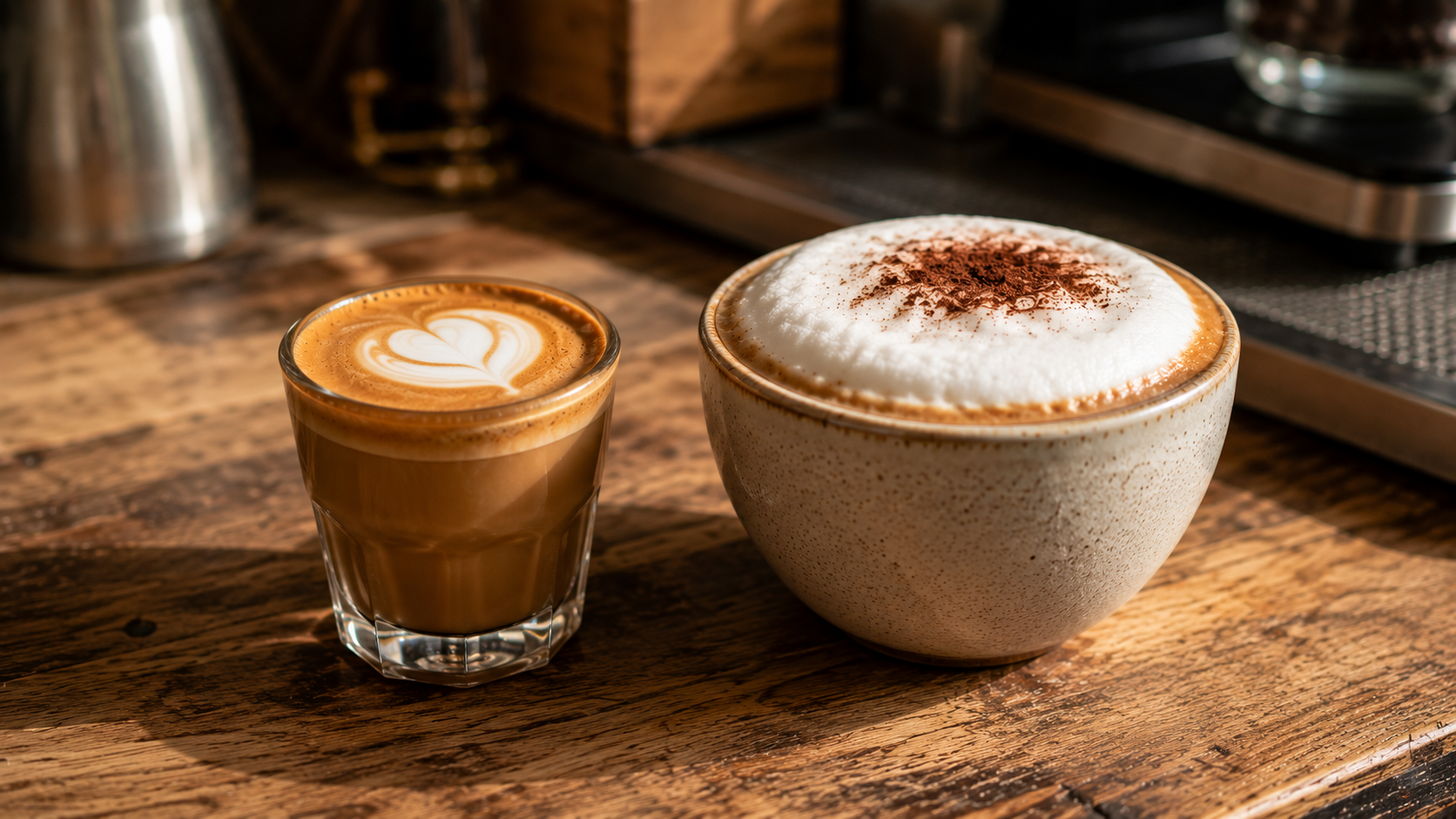
![5. Flavor and Mouthfeel In a flat white, the first sip should combine espresso and milk rather than delivering separate layers. You are more likely to notice the beans’ chocolate, nut, caramel, or fruit notes because the drink contains less milk. The texture remains creamy, but the finish is usually shorter and more coffee-forward. A latte gives milk a larger role. It can taste naturally sweeter and feel more substantial, while sharper espresso flavors become gentler. This makes a latte approachable, especially with darker roasts or for anyone who does not enjoy the concentrated taste of straight espresso. 6. Calories and Nutrition When the same espresso and milk are used, the drink containing more milk generally supplies more calories, protein, carbohydrates, and fat. That often makes a latte higher in calories than a smaller flat white. However, menu names alone are not enough for an accurate comparison. Cup size, milk type, syrup, sugar, and toppings can change the total substantially. If nutrition matters to you, check the café’s information or ask about its actual recipe instead of treating a general estimate as fixed. 7. Customization Lattes are especially flexible. Their higher milk volume makes them suitable for flavored syrups, iced versions, and extra espresso shots. A flat white can also be customized, but strong additions may hide the espresso-focused balance that gives the drink its character. Which Milk Works Best? Whole dairy milk is popular because it can create a smooth texture and stable microfoam. Lower-fat milk can also foam well, although the result may feel lighter. For a dairy-free drink, barista-formulated oat or soy milk is often easier to texture than a standard plant beverage. Formulas differ, so their flavor, stability, and nutrition are not interchangeable. Choose a milk that suits your taste and dietary needs. For allergies or intolerances, ask the café about ingredients and cross-contact procedures. How to Order the Drink You Actually Want Café recipes are not standardized worldwide. Instead of worrying about which definition is technically correct, ask two practical questions: - How many espresso shots are in each drink? - What cup size do you use? Order a flat white when you want the espresso to remain clearly recognizable under a smooth layer of milk. Order a latte when you want a larger, milder drink or plan to add flavoring. If you want a larger flat white, check the recipe first. Extra milk may make its balance much closer to a latte; another espresso shot preserves intensity but increases caffeine. [BODY IMAGE 2: Place a natural café-ordering image here showing a barista presenting a small ceramic flat white beside a larger latte, with no labels or text in the image.] How to Make a Flat White and Latte at Home Start with the same foundation for both drinks: a properly extracted espresso and cold milk steamed into glossy microfoam. The main adjustment is how much milk you add. For a flat-white-style drink: 1. Pull one double espresso into a 5- to 6-ounce cup. 2. Steam only enough milk for the cup, introducing very little air. 3. Swirl the pitcher until the milk looks glossy and uniform. 4. Pour promptly, keeping the surface layer thin and smooth. For a latte: 1. Pull one or two espresso shots into an 8- to 12-ounce cup. 2. Steam a larger quantity of milk with fine, pourable microfoam. 3. Swirl the espresso and milk separately before pouring. 4. Pour steadily and finish with a light layer of microfoam. These are practical starting points rather than universal rules. For more technique, see How to Make the Perfect Latte at Home in 7 Easy Steps: https://beanaltitude.com/how-to-make-a-latte-at-home/ Common Mistakes That Make Both Drinks Disappointing Using the same amount of milk removes the most useful distinction. Too much makes a flat white lose its espresso-forward balance; too little can make a latte unexpectedly intense. Microfoam should resemble glossy wet paint, not soap bubbles. Begin with cold milk, add air near the start, then keep it circulating to break down larger bubbles. Excessive heat reduces perceived sweetness and can produce a cooked flavor. Follow your machine and milk manufacturer’s guidance, then wipe and purge the wand immediately. Milk cannot rescue stale beans or a poor shot. If the drink is harsh, watery, or sour, check grind, dose, extraction, and freshness. See our beginner’s espresso guide: https://beanaltitude.com/what-is-espresso/ Flat White vs Latte: Which One Should You Choose? Choose a flat white when you want a smaller drink with a higher perceived espresso intensity and a thin, velvety microfoam texture. It suits people who enjoy tasting the coffee clearly but still want the softness of steamed milk. Choose a latte when you prefer a longer, milkier, and more customizable drink. It is often the easier entry point for new espresso drinkers and works particularly well with syrups or an extra shot. Still unsure? Try both at the same café with the same shot count. That makes your preference easier to identify. Frequently Asked Questions Is a flat white stronger than a latte? It usually tastes stronger because it contains less milk relative to espresso. It does not necessarily contain more caffeine. Compare the number and type of espresso shots to determine caffeine strength. Does a flat white have foam? Yes. A well-made flat white contains fine microfoam, but its surface layer is thin and integrated rather than thick, dry, or bubbly. Which drink has more milk? A latte generally contains more steamed milk than a flat white. Exact amounts vary with café recipes and cup sizes. Can I make either drink with oat milk? Yes. Barista-formulated oat milk is often designed to steam more reliably, but flavor, ingredients, and nutrition vary by brand. Is a flat white healthier than a latte? Not automatically. A smaller flat white often contains less milk and therefore fewer calories than a larger latte made with the same milk. Size, milk choice, sweeteners, and toppings determine the actual comparison. Final Thoughts The practical difference between a flat white and a latte is the balance of espresso, milk, texture, and serving size. A flat white keeps the coffee prominent in a compact, velvety drink. A latte stretches the espresso with more milk for a softer and longer experience. Do not judge only by foam, cup size, or the assumption that a flat white always has more caffeine. Check the café’s shot count, then choose according to how much espresso intensity and milk you want. Once those details are clear, the menu decision becomes refreshingly simple—no coffee identity crisis required.](https://beanaltitude.com/wp-content/uploads/2026/07/flat-white-vs-latte.png)