
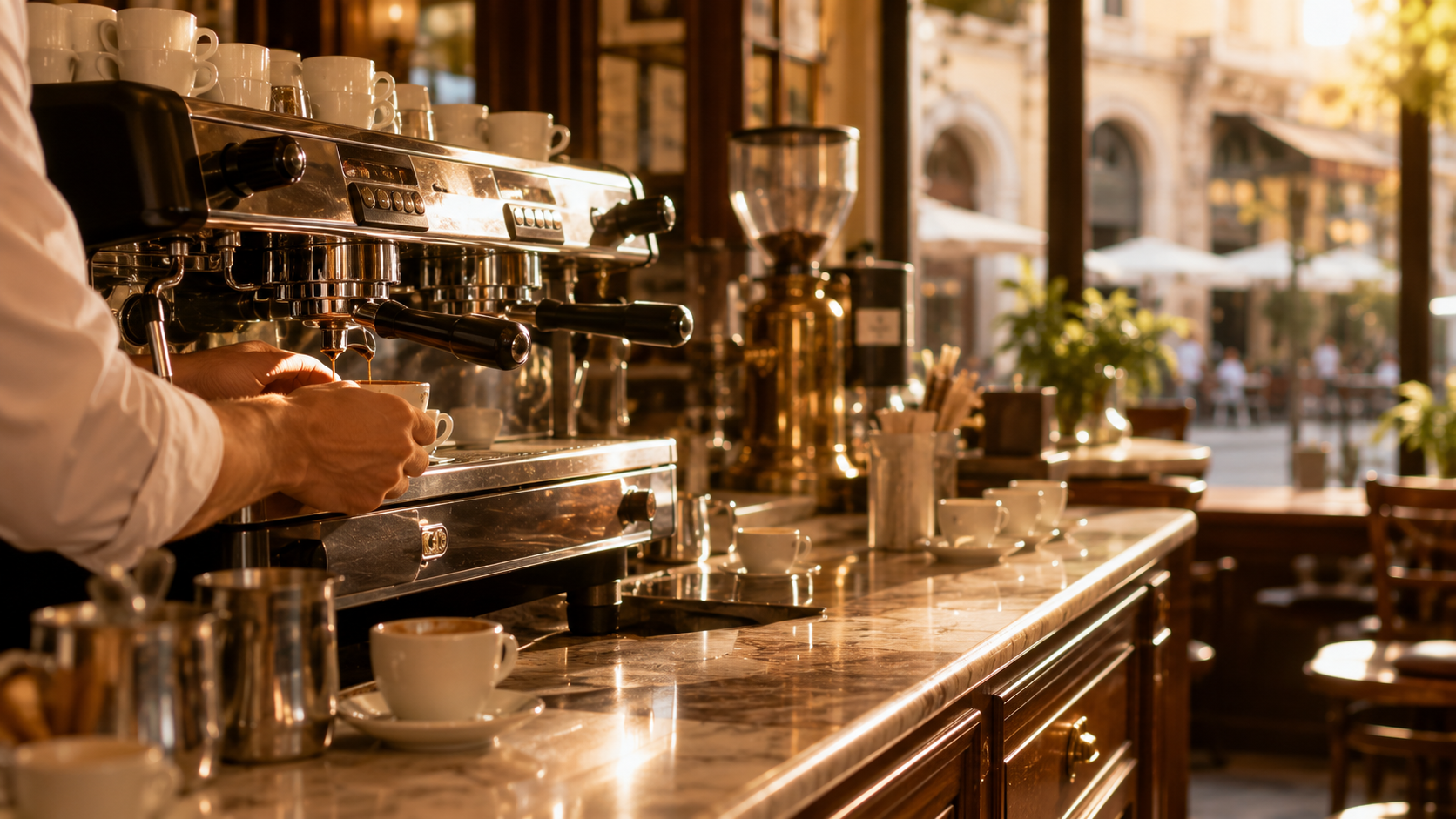
Italy is often considered the heart of modern coffee culture. From the invention of espresso to the bustling neighborhood cafés found on nearly every street corner, Italian coffee culture has influenced how millions of people enjoy coffee every day.
Unlike in many countries where coffee is treated as a beverage to sip slowly while working, Italians see coffee as a daily ritual—a moment to pause, socialize, and appreciate quality. Their traditions have shaped specialty coffee around the world and continue to inspire cafés, baristas, and coffee enthusiasts today.
In this guide, you’ll discover the fascinating traditions behind Italian coffee culture, learn why espresso became a national symbol, and understand the customs that make Italy one of the world’s greatest coffee destinations.
What Is Italian Coffee Culture?
Italian coffee culture is built around simplicity, quality, and tradition.
Rather than offering oversized drinks loaded with syrups and toppings, Italian cafés focus on serving expertly prepared espresso-based beverages made with consistency and care.
Coffee is woven into everyday life. Whether it’s a quick espresso before work or an afternoon stop at a neighborhood café, coffee is considered an essential part of the daily routine.
The emphasis is not on drinking more coffee—but on enjoying better coffee.
Why Italy Changed Coffee Forever
Few countries have influenced the coffee world as much as Italy.
Although coffee originally came from Ethiopia and spread through the Middle East, Italy transformed the way coffee was prepared and enjoyed.
Some of Italy’s greatest contributions include:
- The invention of the modern espresso machine
- The development of espresso as a brewing method
- Popular espresso-based drinks such as cappuccino, latte, and macchiato
- The traditional Italian coffee bar experience
- A culture centered on speed, quality, and craftsmanship
Today, nearly every specialty coffee shop around the world owes part of its heritage to Italian coffee traditions.
The Birth of Espresso
One of the defining moments in Italian coffee culture was the invention of espresso.
During the early 20th century, Italian engineers developed machines capable of forcing hot water through finely ground coffee under high pressure.
The result was a rich, concentrated coffee topped with a layer of golden crema.
Espresso quickly became popular because it was:
- Fast to prepare
- Rich in flavor
- Consistent in quality
- Perfect for busy city life
Over time, espresso became much more than a drink—it became a symbol of Italian identity and hospitality.
Even today, ordering an espresso at a local café remains one of the most authentic Italian experiences.
Coffee as a Daily Ritual
For many Italians, coffee is not simply about caffeine.
It represents a daily ritual that brings moments of connection and routine.
People often enjoy:
- An espresso before work
- A cappuccino with breakfast
- A quick coffee break during the afternoon
- An espresso after lunch
Visits to the local café are usually brief but meaningful. Customers often chat with the barista, greet friends, and enjoy their coffee while standing at the counter.
These small traditions reflect the social nature of Italian coffee culture, where quality and community are valued just as much as the coffee itself.
Why Italian Cafés Feel Different
One of the first things visitors notice is that Italian cafés operate differently from many coffee shops in other countries.
Rather than encouraging customers to stay for hours with laptops, traditional cafés are designed for quick, enjoyable visits.
Common characteristics include:
- Standing at the coffee bar instead of sitting
- Fast and efficient service
- Small espresso servings
- Regular visits throughout the day
- Strong relationships between customers and baristas
This simple approach allows coffee to remain an accessible part of everyday life rather than an occasional luxury.
Popular Italian Coffee Drinks
One of the most enjoyable parts of experiencing Italian coffee culture is discovering the variety of traditional coffee drinks. While many of these beverages are now served worldwide, they originated in Italy and are still prepared according to long-standing traditions.
Some of the most popular Italian coffee drinks include:
- Espresso – A concentrated shot of coffee and the foundation of Italian coffee culture.
- Cappuccino – Espresso topped with steamed milk and thick milk foam, typically enjoyed only in the morning.
- Caffè Latte – Espresso mixed with a larger amount of steamed milk, commonly served at breakfast.
- Macchiato – Espresso “stained” with a small amount of steamed milk.
- Ristretto – A shorter, sweeter espresso made with less water.
- Lungo – A longer espresso extracted with more water.
Each drink has its own purpose and is often enjoyed at a specific time of day.
Italian Coffee Etiquette
Understanding Italian coffee culture means learning the unwritten rules that locals follow every day.
Although visitors are always welcome, knowing a few customs can make your café experience more authentic.
Common etiquette includes:
- Ordering at the counter before sitting in some cafés
- Drinking espresso quickly rather than lingering over it
- Greeting the barista politely
- Keeping your order simple
- Paying before or after ordering, depending on the café
These traditions help cafés serve customers efficiently while maintaining a relaxed and friendly atmosphere.
Why Italians Rarely Drink Cappuccino After Breakfast
One of the most famous traditions in Italian coffee culture is avoiding cappuccino after breakfast.
Many Italians believe that milk-based coffee drinks are too heavy to enjoy after a meal.
Instead:
- Cappuccino is commonly ordered before 11 a.m.
- Espresso is the preferred choice after lunch or dinner.
- Macchiato may be enjoyed later in the day because it contains only a small amount of milk.
While no one will stop tourists from ordering a cappuccino in the afternoon, following this custom is a fun way to experience coffee like a local.
Standing at the Coffee Bar
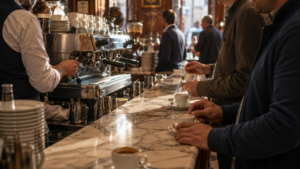
If you visit an Italian café, you’ll notice that many customers drink their coffee while standing at the bar.
This tradition has practical and cultural advantages:
- Faster service
- Lower prices in many cafés
- Quick social interactions
- A more authentic local experience
Standing at the coffee bar allows people to enjoy an espresso in just a few minutes before continuing with their day.
For many Italians, this brief coffee break is an important part of daily life.
What Tourists Often Get Wrong
Visitors are sometimes surprised by how different Italian coffee culture is from café culture in other countries.
Some common misunderstandings include:
- Expecting very large coffee drinks
- Ordering flavored syrups by default
- Spending hours working on a laptop in a traditional café
- Assuming every coffee should be taken to go
- Ordering cappuccino after a large dinner
Traditional Italian cafés focus on quality, simplicity, and enjoying coffee in the moment rather than customizing every drink.
How Italian Coffee Culture Influences Specialty Coffee Today
Although specialty coffee has introduced new brewing methods and coffee trends, many of its core principles can be traced back to Italian coffee culture.
Modern cafés around the world continue to embrace Italian traditions by emphasizing:
- Expert espresso preparation
- High-quality coffee beans
- Skilled barista techniques
- Consistency in every cup
- Respect for coffee craftsmanship
At the same time, specialty coffee has expanded on these traditions by highlighting single-origin beans, lighter roast profiles, and alternative brewing methods.
Together, Italian heritage and modern innovation have shaped the global coffee culture that millions of people enjoy today.
Italian Coffee Culture Frequently Asked Questions
What makes Italian coffee culture unique?
Italian coffee culture is built on simplicity, quality, and tradition. Rather than serving oversized or highly customized drinks, Italian cafés focus on expertly prepared espresso and quick, enjoyable coffee experiences that fit naturally into everyday life.
Why do Italians drink espresso so often?
Espresso is fast to prepare, rich in flavor, and perfectly suited to Italy’s café culture. Many Italians enjoy several small espressos throughout the day instead of drinking one large coffee.
Is it true that Italians don’t drink cappuccino after breakfast?
Yes, this is a traditional custom.
Many Italians believe milk-based drinks are best enjoyed in the morning and usually choose espresso after lunch or dinner. While visitors are welcome to order cappuccino at any time, following this tradition offers a more authentic experience.
Can tourists order coffee any way they like in Italy?
Absolutely.
Italian cafés are happy to serve visitors, but understanding local customs—such as drinking espresso at the bar or ordering cappuccino in the morning—can make the experience more enjoyable and culturally authentic.
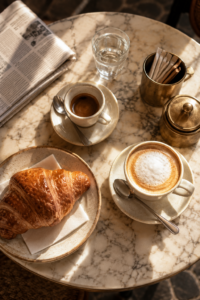
Final Thoughts on Italian Coffee Culture
Italian coffee culture is about far more than simply drinking coffee. It represents a way of life that values craftsmanship, quality, and meaningful daily rituals.
From the invention of espresso to the tradition of enjoying a quick coffee at the bar, Italy has shaped the coffee habits of millions of people around the world.
Whether you’re visiting an authentic Italian café or brewing espresso at home, understanding these traditions allows you to appreciate coffee beyond its flavor.
The next time you enjoy an espresso, remember that you’re taking part in a tradition that has influenced global coffee culture for more than a century.
Related Guides
Continue exploring coffee history and espresso culture:
- What Is Espresso? A Beginner’s Guide for Coffee Lovers
- Third Wave Coffee: 7 Reasons It Changed Coffee Forever
- Ristretto vs Espresso: 7 Key Differences Every Coffee Lover Should Know
- Americano vs Long Black: 7 Key Differences Every Coffee Lover Should Know
- Best Coffee Beans for Espresso: How to Choose the Right Beans