
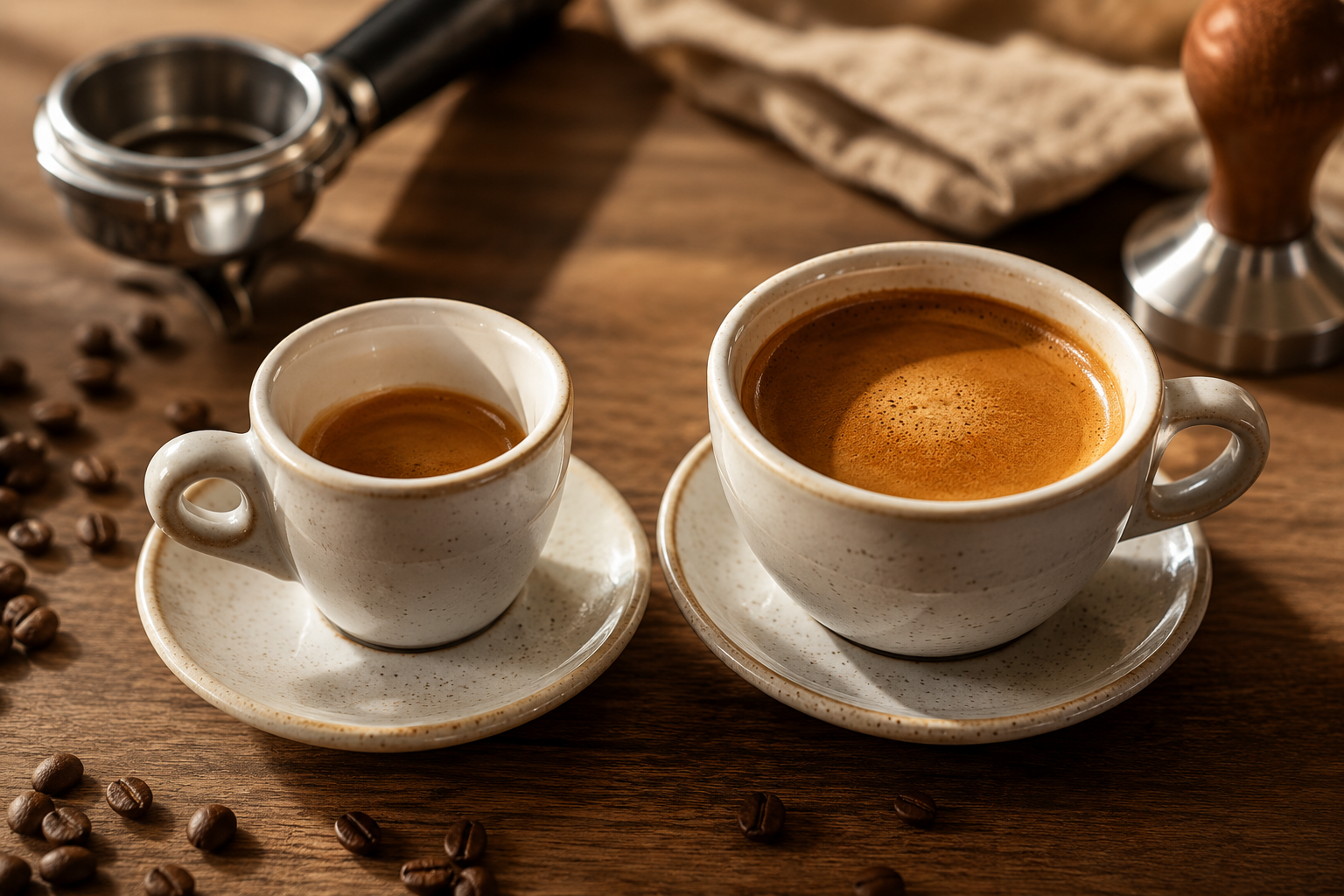
If you’ve ever ordered an espresso at a café, you’ve probably been asked whether you want a single shot or a double espresso. While the difference may seem obvious, many coffee lovers aren’t sure how these two espresso shots compare in terms of flavor, caffeine, strength, and brewing.
Understanding single shot vs double espresso can help you choose the right option for your taste preferences and your favorite coffee drinks. Whether you’re making espresso at home or ordering from your local café, knowing how each shot is prepared can improve your overall coffee experience.
In this guide, you’ll learn the key differences between a single shot and a double espresso, including extraction, coffee dose, caffeine content, and which one is best for different situations.
Single Shot vs Double Espresso: What Is a Single Shot?
A single shot of espresso is the traditional Italian serving size.
It is prepared by forcing hot water through a single dose of finely ground coffee under high pressure.
A typical single shot includes:
- 7–9 grams of ground coffee
- Around 25–30 ml of espresso
- Extraction time of approximately 25–30 seconds
- Rich crema with a balanced flavor
Although many specialty cafés now serve double shots as their standard espresso, the single shot remains an important part of traditional Italian coffee culture.
Single Shot vs Double Espresso: What Is a Double Espresso?
A double espresso, often called a doppio, is made using roughly twice the amount of coffee grounds.
Instead of producing one serving, it extracts a larger, richer espresso while maintaining the same brewing principles.
A standard double espresso typically includes:
- 18–20 grams of ground coffee
- Around 36–40 ml of espresso
- Extraction time of approximately 25–30 seconds
- Fuller body and more complex flavor
Today, the double espresso is considered the standard shot in many specialty coffee shops because it provides greater consistency and balance.
Single Shot vs Double Espresso: Key Differences
Although both drinks are brewed using an espresso machine, several important differences set them apart.
| Feature | Single Shot | Double Espresso |
|---|---|---|
| Ground Coffee | 7–9 g | 18–20 g |
| Yield | 25–30 ml | 36–40 ml |
| Portafilter Basket | Single | Double |
| Flavor | Lighter | Richer |
| Body | Medium | Fuller |
| Crema | Good | Thicker |
| Typical Use | Traditional espresso | Modern cafés & milk drinks |
These differences influence not only the taste of the espresso but also how it performs in milk-based beverages like lattes and cappuccinos.
Single Shot vs Double Espresso: Coffee Dose
The biggest difference in single shot vs double espresso is the amount of coffee used.
A single shot uses roughly half the coffee grounds of a double espresso. This smaller dose produces a lighter-bodied espresso with a more delicate flavor profile.
A double espresso uses nearly twice as much coffee, resulting in a richer texture, greater sweetness, and a more intense aroma.
Because of its higher coffee dose, many professional baristas prefer a double espresso when preparing specialty coffee drinks.
Single Shot vs Double Espresso: Extraction
Although the amount of coffee differs, both shots are usually extracted for 25–30 seconds.
The difference lies in the coffee dose and beverage yield rather than the extraction time itself.
A properly dialed-in espresso should produce:
- Even extraction
- Thick golden crema
- Balanced sweetness
- Pleasant acidity
- Minimal bitterness
Whether you’re brewing a single shot or a double espresso, consistency in grind size, coffee dose, and extraction is the key to achieving excellent results.
Single Shot vs Double Espresso: Flavor Comparison
The most noticeable difference in single shot vs double espresso is the flavor.
Although both drinks are brewed using the same espresso machine and similar extraction times, the larger coffee dose in a double espresso creates a richer and more complex taste.
Single Shot
A single shot offers:
- Balanced flavor
- Lighter body
- Delicate sweetness
- Clean finish
- Mild intensity
It’s an excellent choice for those who enjoy a traditional Italian-style espresso or prefer a less intense coffee experience.
Double Espresso
A double espresso provides:
- Fuller body
- Richer crema
- Stronger aroma
- More pronounced sweetness
- Longer finish
Because more coffee is extracted, the flavors become more layered and robust, making it the preferred choice for many specialty coffee shops.
Single Shot vs Double Espresso: Caffeine Content
Many people assume that a double espresso contains exactly twice as much caffeine as a single shot.
While it generally contains more caffeine, the exact amount depends on several factors, including the coffee beans, roast level, grind size, and extraction efficiency.
| Espresso Shot | Estimated Caffeine |
|---|---|
| Single Shot | 60–75 mg |
| Double Espresso | 120–150 mg |
If you’re sensitive to caffeine, a single shot may be the better option.
If you need a stronger energy boost or enjoy milk-based coffee drinks, a double espresso is often the preferred choice.
Single Shot vs Double Espresso: Which Shot Is Better?
There isn’t a universal winner in the single shot vs double espresso debate.
The best choice depends on your personal preferences.
Choose a single shot if you:
- Enjoy traditional Italian espresso
- Prefer lighter coffee
- Drink several espressos throughout the day
- Want lower caffeine intake
Choose a double espresso if you:
- Prefer bold flavors
- Enjoy specialty coffee
- Frequently order lattes or cappuccinos
- Want a stronger coffee experience
Many modern cafés now use double espresso as the standard base for espresso drinks because it delivers greater consistency and balance.
Single Shot vs Double Espresso: Can You Make Both at Home?
Yes.
Most home espresso machines are capable of brewing both single and double espresso shots.
To achieve the best results:
- Use freshly roasted coffee beans.
- Grind your beans immediately before brewing.
- Weigh your coffee dose with a digital scale.
- Tamp evenly with consistent pressure.
- Use filtered water for better flavor.
Experimenting with both shot sizes is one of the best ways to discover which style suits your taste.
Single Shot vs Double Espresso: Common Mistakes to Avoid
Even experienced home baristas can make mistakes when switching between single and double shots.
Avoid these common problems:
- Using the wrong filter basket
- Changing the dose without adjusting the grinder
- Over-extracting the espresso
- Under-extracting the shot
- Using stale coffee beans
- Ignoring brew ratios
Keeping your grind size, dose, and extraction consistent will produce much better espresso regardless of the shot size.
Best Coffee Beans for Single and Double Espresso
The quality of your beans has a significant impact on both single and double espresso shots.
Medium to medium-dark espresso roasts typically produce the most balanced results, offering sweetness, body, and pleasant acidity.
Fresh beans roasted within the last few weeks generally create richer crema and a more vibrant flavor than older beans.
If you’re unsure which beans to choose, our guide Best Coffee Beans for Espresso: How to Choose the Right Beans explains how roast level, origin, and freshness affect espresso quality.
Single Shot vs Double Espresso Frequently Asked Questions
Is a double espresso always twice as strong as a single shot?
Not exactly.
A double espresso uses more coffee grounds, producing a richer flavor and more caffeine. However, the perceived strength also depends on the coffee beans, roast level, grind size, and extraction quality.
Which has more caffeine, a single shot or a double espresso?
A double espresso generally contains more caffeine because it uses nearly twice the amount of ground coffee.
On average:
- Single Shot: 60–75 mg
- Double Espresso: 120–150 mg
The exact amount varies depending on the beans and brewing method.
Which shot is better for milk-based drinks?
Most specialty coffee shops use a double espresso for lattes, cappuccinos, and flat whites.
The larger coffee dose creates a stronger espresso flavor that balances well with steamed milk.
Can beginners start with a double espresso?
Yes.
Although a single shot is the traditional Italian serving, many beginners find a double espresso easier to enjoy because it offers a fuller body and a more balanced flavor profile.
Final Thoughts
Choosing between a single shot vs double espresso ultimately comes down to your personal preference.
A single shot delivers a lighter, traditional espresso experience that highlights balance and simplicity.
A double espresso provides a fuller body, richer crema, and a more intense flavor, making it the preferred choice in many modern specialty coffee shops.
Understanding these differences allows you to order with confidence, improve your home brewing skills, and enjoy espresso exactly the way you like it.
For more information about specialty coffee standards and espresso education, visit the Specialty Coffee Association (SCA).
Related Guides
Continue learning about espresso with these helpful guides:
- What Is Espresso? A Beginner’s Guide for Coffee Lovers
- Ristretto vs Espresso: 7 Key Differences Every Coffee Lover Should Know
- Espresso vs Lungo: 7 Key Differences Every Coffee Lover Should Know
- Best Coffee Beans for Espresso: How to Choose the Right Beans
- How to Froth Milk for Espresso at Home